
MJOLNER SYSTEMS

Head Protection
Mjolner System is developing the Mk1 - built for near-peer survivability.
The Mk1 helmet platform aims to achieve NIJ RF2/ VPAM 8 protection with BFD< 10mm and systemic bTBI prevention in a single modular system - All under 1.4kg.
The Mk1 represents the pinnacle of our developmental capabilities and the sum of the world's best technologies available - a living testimony to our commitment to our mission.
Program Status: In Co-Development, pending NG body protection validation.


NATO MED CENTER 2024
"Most Common Causes of Death In Ukraine: Traumatic Brain Injuries - High Rate of Penetrating TBI."
In high-intensity conflict, head protection must do more than prevent complete perforation. Limiting structural deformation and reducing transmitted injury are also critical. Mjolner’s Mk1 programme is built around this broader survivability requirement.


"In the Global War on Terror, 59% of wounded personnel suffered bTBI. In Ukraine, that number rises to 80–100%."
Blast-related brain injury remains an under-addressed challenge in both training and combat environments. The Mk1 blast-mitigation programme is aimed at reducing blast-pressure transmission to the head through material, structural, and system-level design measures.
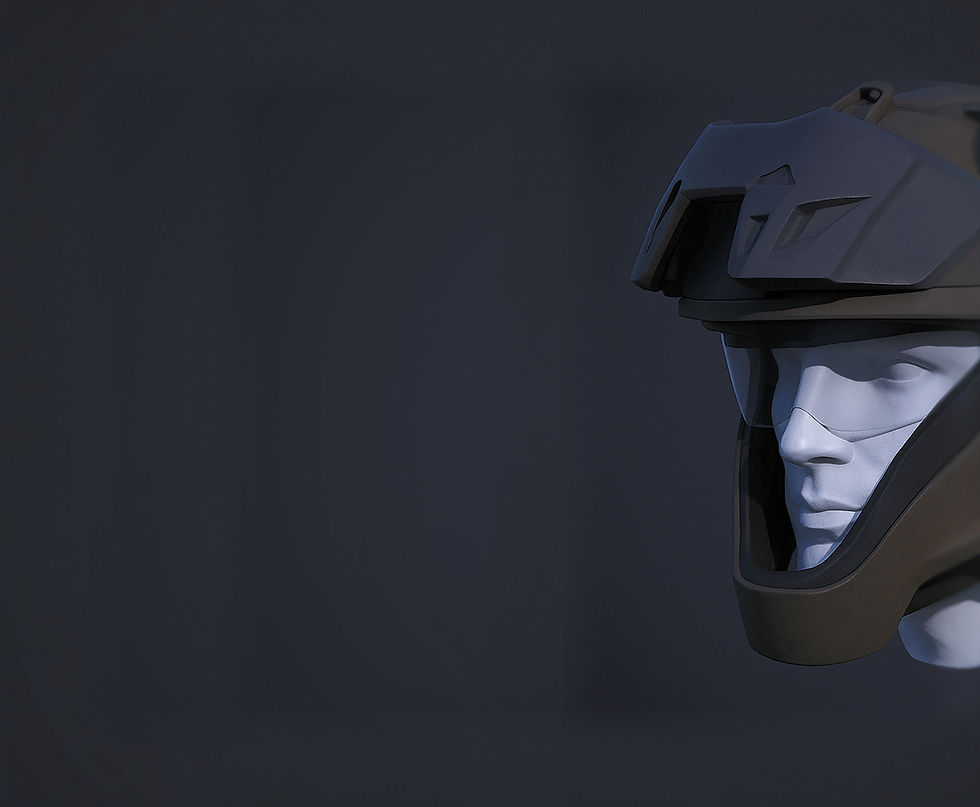
Next Generation
Head Protection
(Mk1 - Ballistics)

Development status: In development
Target maturity: Q4 2026
Programme objectives:
1.4kg System Weight & <15mm BFD from RF2 Point Blank Impact.
Available in:
-
NIJ 3+ / VPAM 8 - Single-Hit & Non Localized Multi-Hit Variant (1.4kg)
-
NIJ 4 / VPAM 10 <1.7kg
-
NIJ4 / VPAM 10 Frontal SLAAP Addon Under 250g
Mk1 is purpose-built for high-threat, near-peer conflict. Every component is engineered for one goal: maximum survivability and brain protection. From the shell to the blast mitigation systems, every material is either Mjolner proprietary or custom-developed specifically for Mk1.
Mk1 is the most complex and demanding system we’ve ever undertaken. Developing in collaboration with 4 institutions and over a dozen professors. Nothing is off-the-shelf. Nothing is legacy.
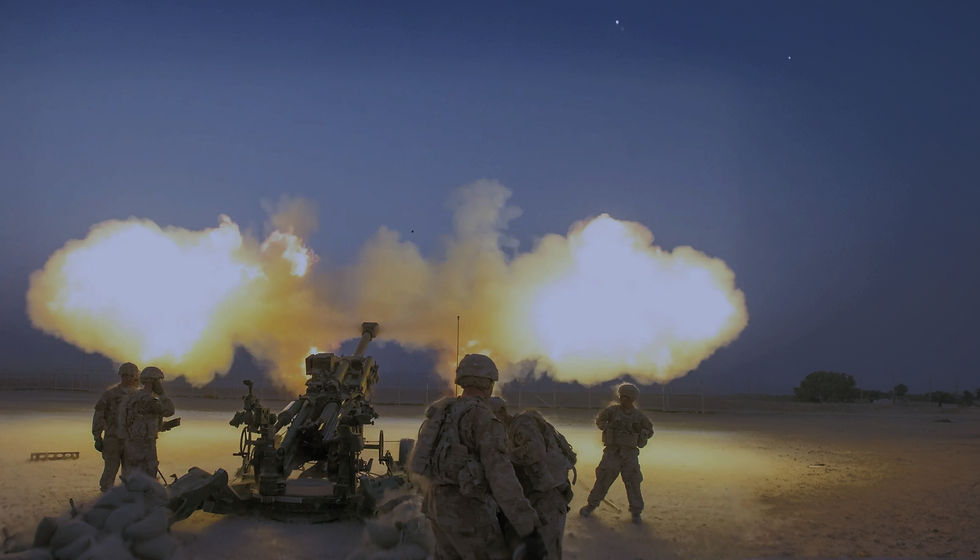
Next Generation
Head Protection
(Mk1 - Blast Mitigation)

IN DEV
Estimate 12 Months to Operational Maturity & Academic Validation (Q4 2026)
Programme objectives:
Systematic Blast to Brain Reduction at >35%, one size fits all.
Most Issued helmets make bTBI worse - not better. They trap and amplify blast waves between the skull and shell, increasing the risk of irreversible lifelong brain trauma.
Blast-induced traumatic brain injury (bTBI) doesn’t require a direct hit - it comes from overpressure, compressed gas, and shockwaves. It happens in training and combat: firing a rifle, breaching a door, or taking indirect fire.
These forces shear neurons, shrink brain volume, and cause lasting damage like CTE, which is closely linked to veteran depression and suicide. Mjolner’s blast-mitigation work is driven by the need to reduce preventable long-term neurological harm associated with repeated blast exposure. The design objective is to block, disperse, and isolate blast loading before it reaches the brain.
Mk1 Blast Mitigation Systems will undergo academic validation & human bio-marker studies before completion.